


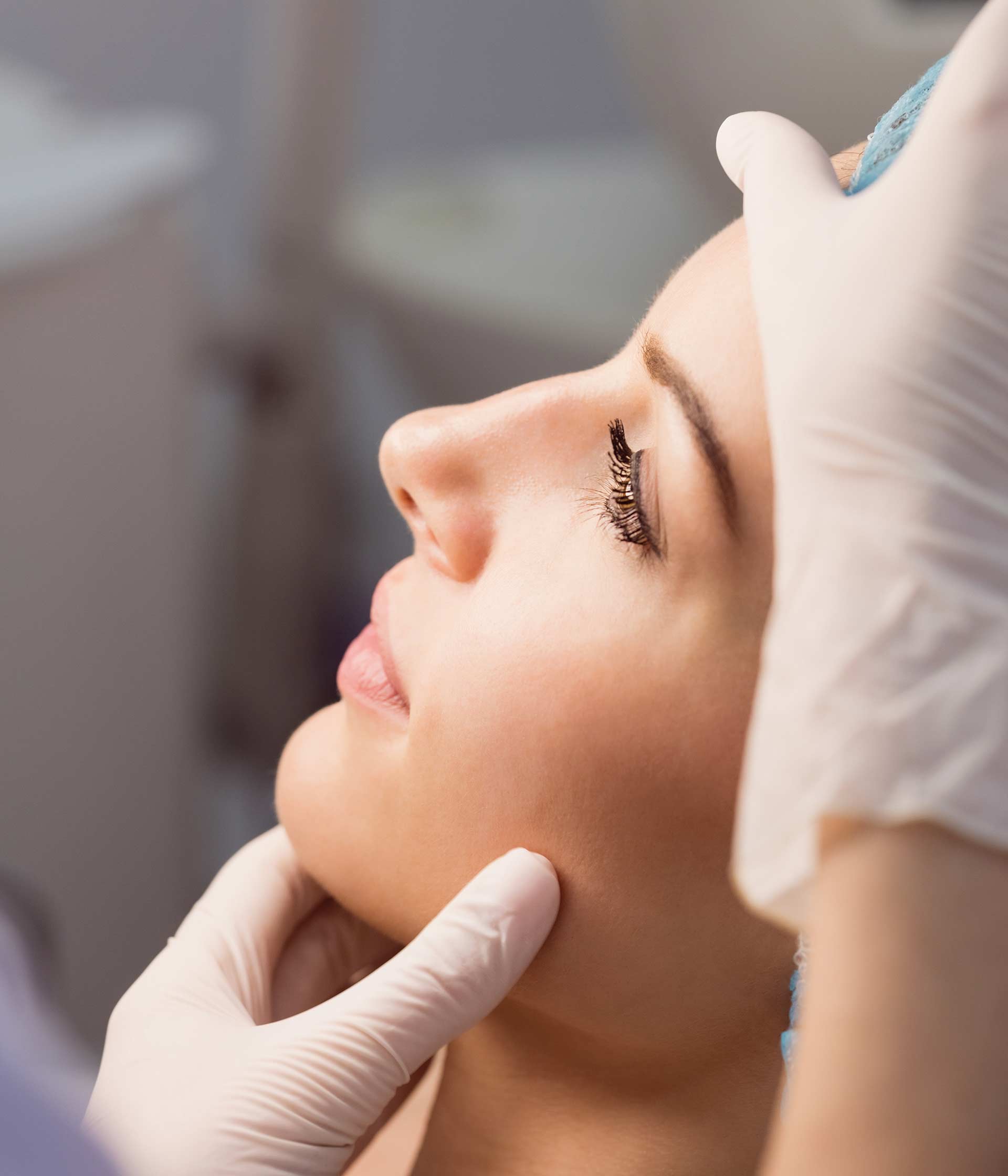
Rhinoplasty is a cosmetic surgery procedure designed to reduce or increase the size of the nose, reshape its structure, and improve airflow obstruction issues. This intervention may include septoplasty, which corrects the nasal septum, and septorhinoplasty, which combines both techniques. Since the nose is the central feature of the face, its shape plays a key role in overall facial harmony. Therefore, it is essential to consider its relationship with other facial structures such as the maxilla and jaw.
Through rhinoplasty, a variety of modifications can be achieved, including refining the nasal tip, straightening or augmenting the bridge, adjusting the angles in relation to the forehead or upper lip, and correcting the nostrils. Regarding the septum, irregularities that affect breathing can be improved, as well as issues involving the turbinates.
Surgical Procedure
Rhinoplasty is generally performed under general anesthesia, although local anesthesia may be used in certain cases, particularly for nasal tip surgery.


Incisions are made inside the nostrils or along the columella, allowing access to modify the bone and cartilage structure. This is typically an outpatient procedure, lasting between 2 and 4 hours depending on the case. It may also be combined with maxillofacial procedures or chin implant placement.
Before Surgery
A thorough preoperative evaluation is essential and should take into account the patient’s ethnic features. The plastic surgeon will examine the nasal projection, tip, possible deviations, and septum position, as well as the proportional relationship between the nose and the rest of the face. Often, a profile X-ray (cephalometric analysis) is requested to assess its relationship with the upper jaw, mandible, and chin.
It is crucial to reflect on your expectations and discuss them openly with your surgeon, as certain structural and skin characteristics are unique to each individual and cannot be altered through surgery. Your surgeon will guide you on the most suitable options, alternatives, limitations, risks, and necessary postoperative care. You must also inform your surgeon about any medications you are currently taking, as well as any illnesses, facial trauma, or previous surgeries that could influence the procedure. If you have hypertension, the surgery may still be performed as long as the condition is under control.
It is important to discontinue any medications that increase bleeding risk—such as aspirin, anti-inflammatory drugs, vitamin E, and certain herbal supplements—before surgery. Smokers should quit at least two weeks prior to the procedure to minimize the risk of complications. On the day of surgery, avoid wearing makeup and take only the medications prescribed by the anesthesiologist.
After Surgery
Following the procedure, it is common to have nasal packing in place, which will require breathing through the mouth. Facial swelling may increase during the first four days before gradually subsiding. You must take special care of the dressings applied by your surgeon, avoiding moisture or movement. Light nasal bleeding is normal; however, if it persists, you should contact your surgeon.
To facilitate removal, nasal packing can be moistened with saline solution. If you need to sneeze, do so with your mouth open to avoid creating pressure on the nose. On the first day, remain at rest with your head elevated and avoid touching your nose or removing dressings, as this could compromise the surgical outcome. Your surgeon will determine how long the packing and dressings should remain in place—usually between 1 and 6 days after surgery.
It is essential to avoid sun exposure for six weeks and to apply sunscreen for 3 to 6 months postoperatively. You may resume daily activities within 1 to 2 weeks; however, strenuous physical activity should be avoided for 2 to 3 weeks to prevent bleeding or nasal trauma that could affect the results. Contact sports should be avoided for at least the first 3 months.