



The goal of smile design is to aesthetically and functionally harmonize a patient’s smile.
This treatment is based on a detailed analysis of facial proportions, lip shape, smile line, and the color, shape, and size of the teeth.
Process Techniques
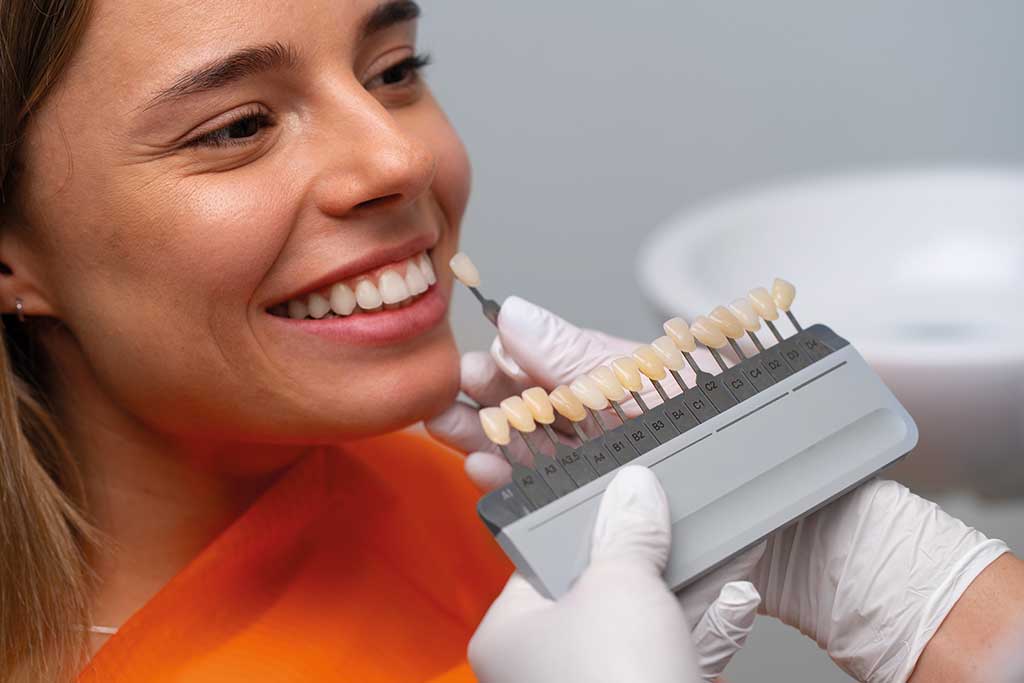
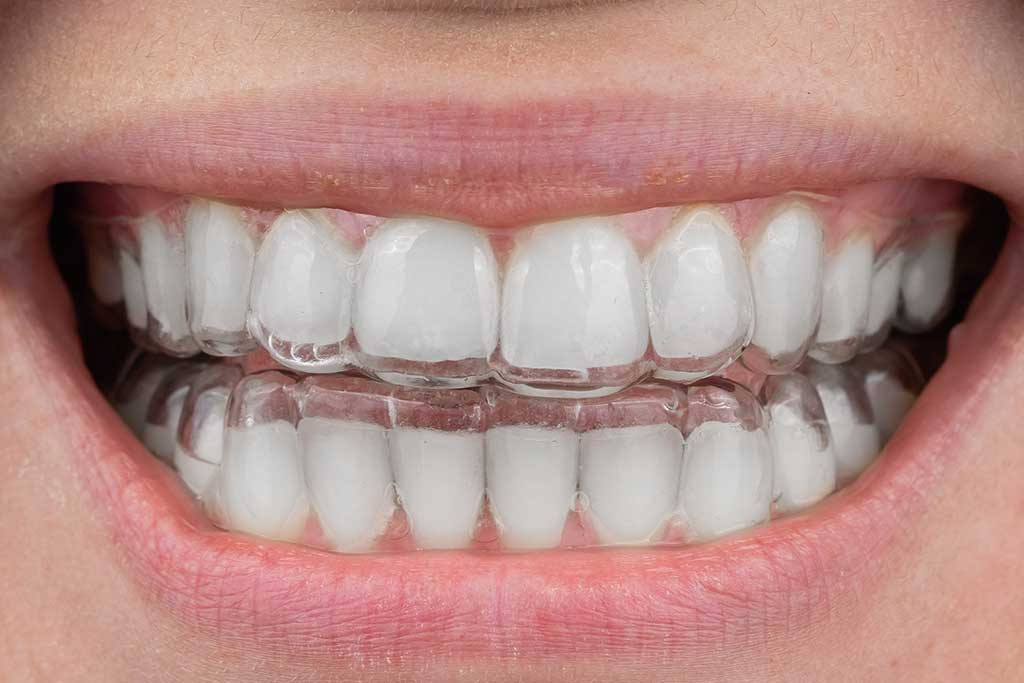
Smile design may incorporate a variety of techniques, including teeth whitening, porcelain or composite veneers, aesthetic contouring, orthodontics or invisible aligners, and, in some cases, minimally invasive restorations. The approach depends entirely on the patient’s individual needs and expectations.
Initially, a digital smile analysis is performed to precisely plan the final outcome.
DSD – Digital Smile Design
With the aid of computer-assisted design tools (DSD – Digital Smile Design), patients can preview a simulation of their future smile before beginning treatment, enabling a higher degree of confidence and predictability in the process.
Smile design not only aims to improve dental aesthetics, but also to enhance the patient’s self-esteem and quality of life. A well-designed smile conveys health, confidence, and harmony, making a direct impact on both personal and professional image.