


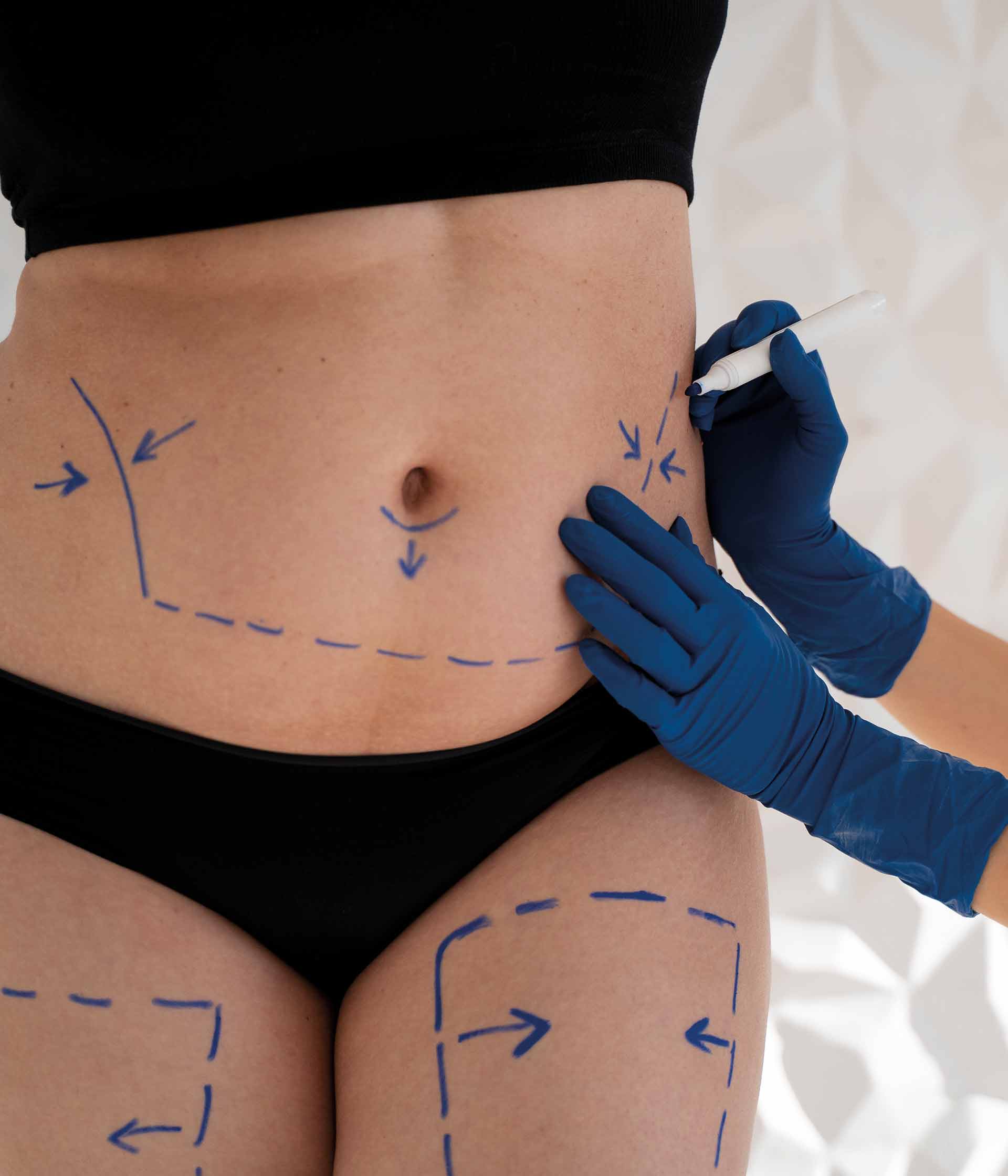
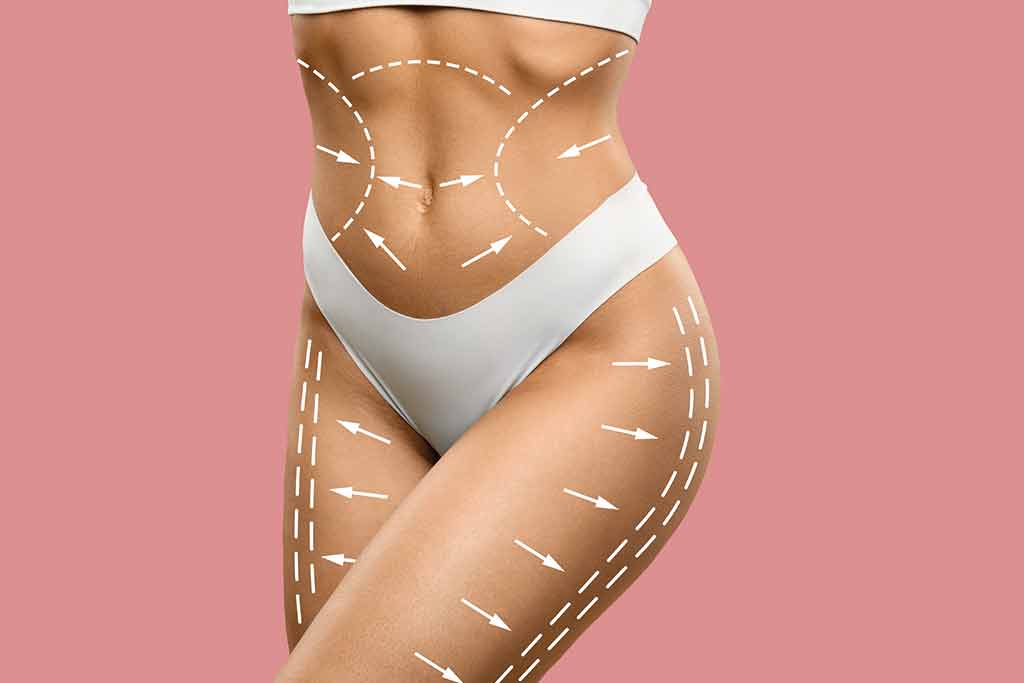
Liposculpture is a cosmetic procedure designed to remove localized fat deposits in the body. These fat deposits primarily function as energy reserves and serve to protect bony prominences. Their distribution is genetically predetermined—women typically accumulate fat in peripheral areas such as the hips and abdomen, while men tend to store fat in the intra-abdominal region, following an android pattern.
Ideal candidates for liposculpture are individuals with localized fat accumulation and good skin tone. Patients with loose skin, especially when accompanied by stretch marks, may require an additional lipectomy. It is important to note that liposculpture is not a treatment for obesity; it should be complemented with dietary changes and an exercise program to support overall health and aerobic capacity.
Before Surgery.
It is essential to inform your plastic surgeon about any medications you are taking (such as contraceptives, aspirin, or hormonal supplements), as well as any relevant health conditions (such as phlebitis, digestive disorders, or endocrine issues).
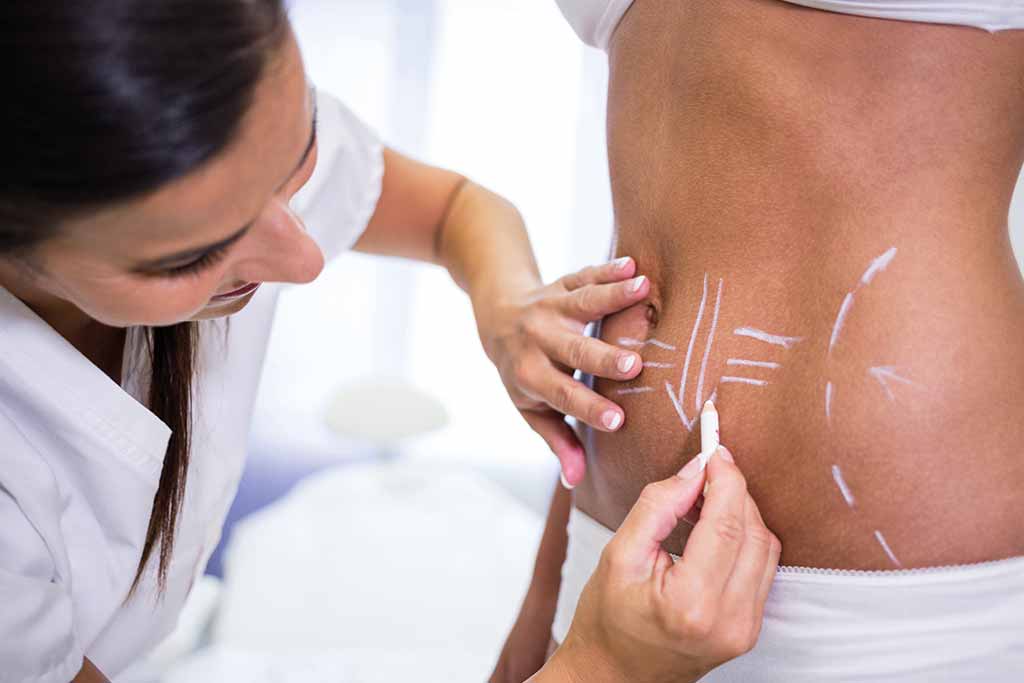
Your surgeon will provide specific preoperative instructions, including dietary recommendations, avoidance of alcohol and drugs, and the discontinuation of smoking at least two weeks before surgery. Additionally, sun exposure should be avoided before and after the procedure to prevent inflammation and pigmentation of scars.
After Surgery.
Avoid prolonged bed rest. It is recommended to walk short distances frequently and practice deep breathing to reduce the risk of pulmonary complications, such as secretion buildup and infections. Starting from the first postoperative day, you should begin walking with assistance, even if you experience some discomfort, which can be managed with prescribed pain medication.
While resting, perform flexion and extension exercises for your arms and legs to promote circulation. Your plastic surgeon will advise you on the use of a compression garment and will schedule suture and drain removal if necessary.
You may begin resuming daily activities gradually between the first and second week after surgery, with full recovery occurring progressively.
It is common to experience areas of fibrosis that may require specialized massage therapy, as well as regions of flaccidity that benefit from localized pressure using the compression garment. Each case is unique, so postoperative care must be tailored to the individual to ensure optimal recovery.