


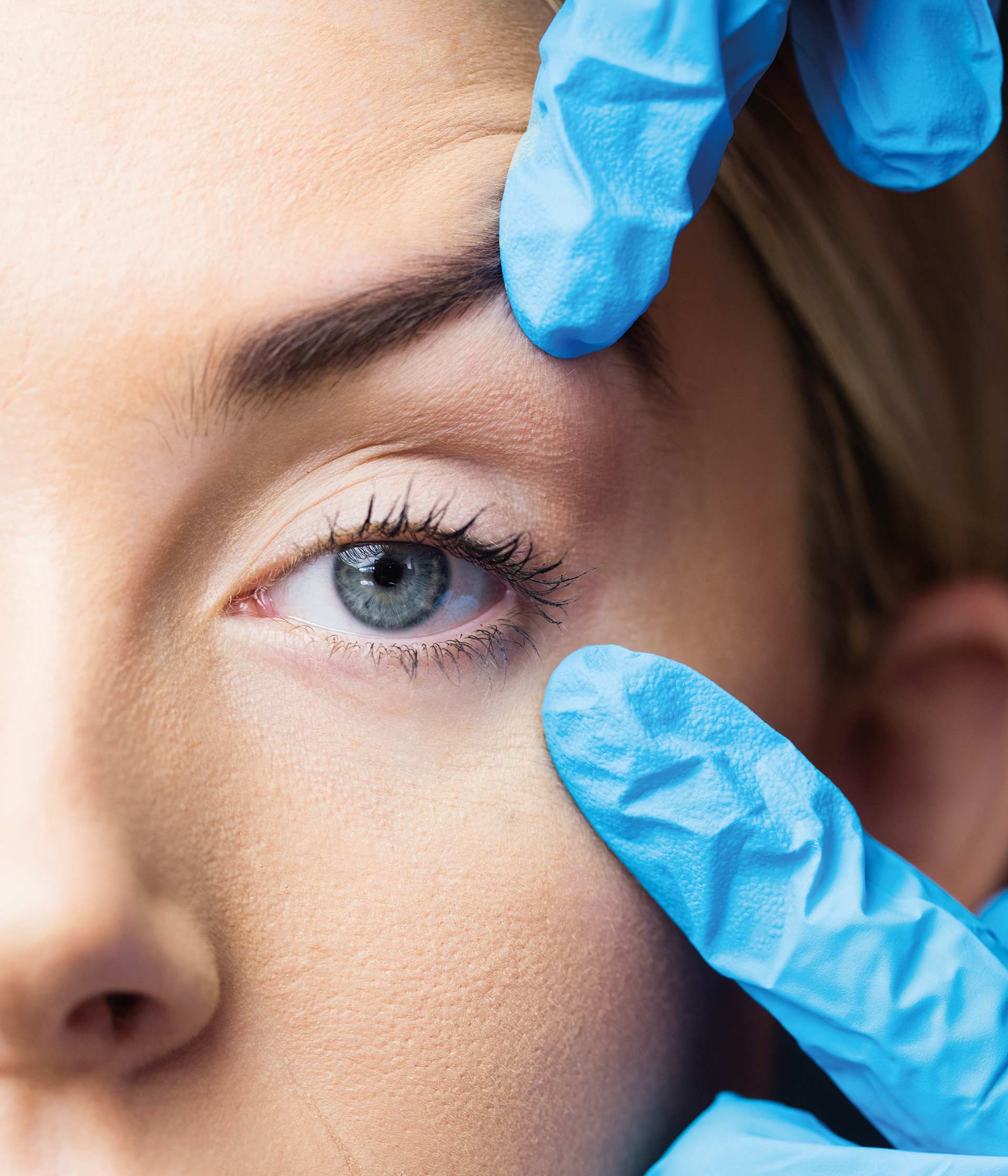
This surgical procedure is designed to remove excess skin and fatty deposits from the upper and lower eyelids, improving the appearance of tired eyes and restoring a younger, fresher look. Over time, factors such as aging, ultraviolet exposure, and gravity cause the eyelid skin to lose elasticity, leading to wrinkles and fat bulges. While this procedure does not stop the aging process or prevent new wrinkles from forming, it significantly improves visible signs of aging caused by protrusion of the fat pads and tissue descent.
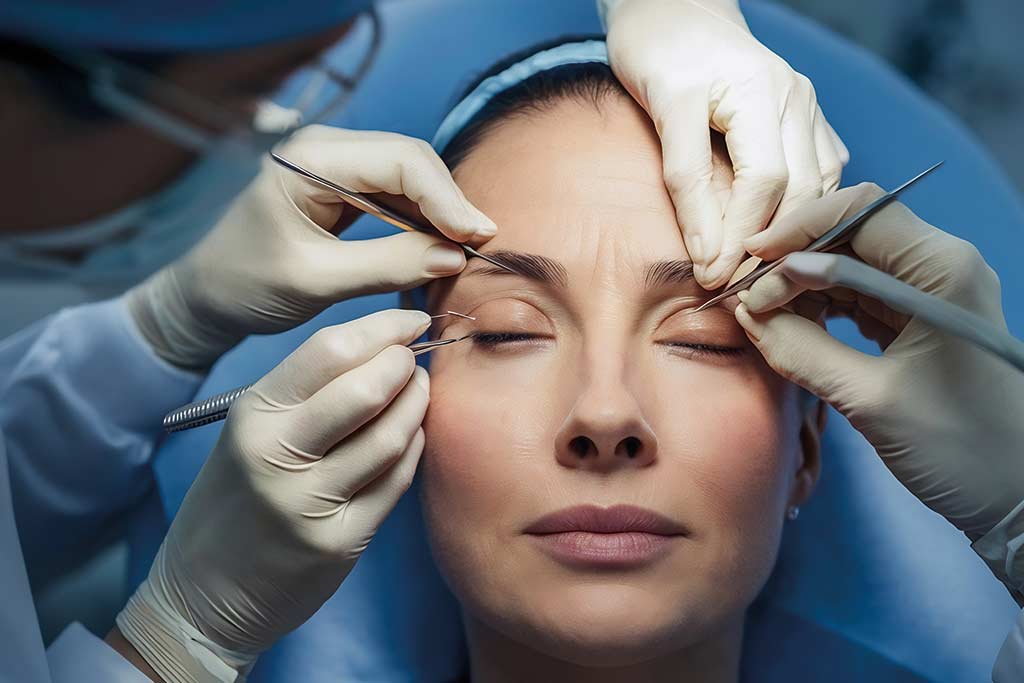
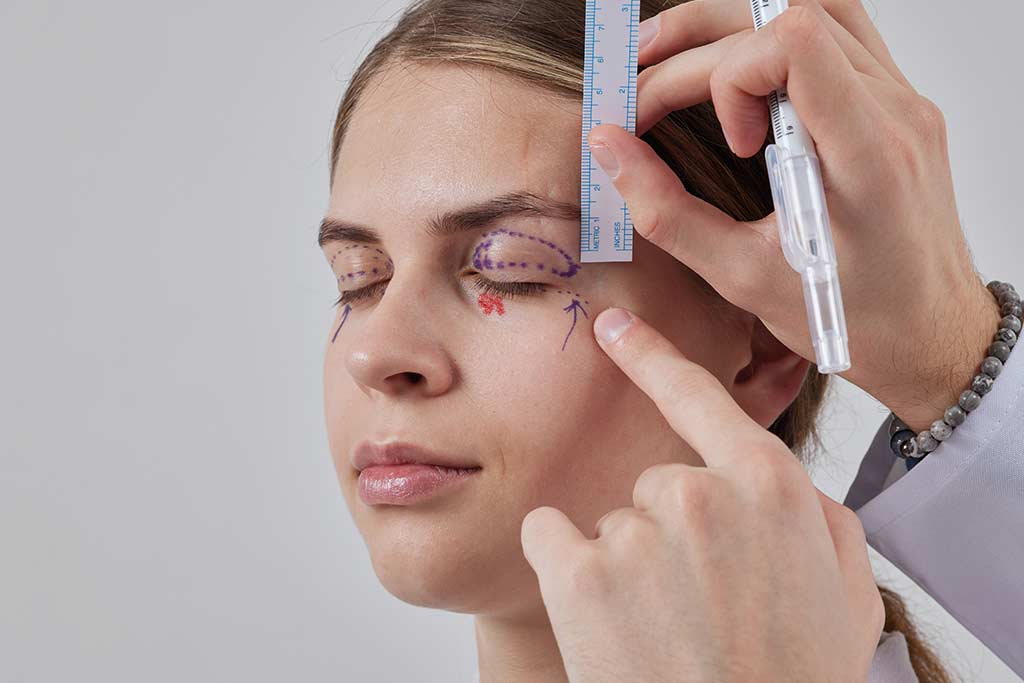
For uppereyelidsurgery, excess skin is removed, leaving a discreet scar within the natural eyelid crease, only visible when the eyes are closed. For lowereyelids, strategic incisions are made to achieve the most aesthetically pleasing results.
Blepharoplasty can be combined with other facial rejuvenation procedures, such as facelift, resurfacing, or brow lift. Before proceeding, it is important to carefully consider your expectations and discuss them in detail with your plastic surgeon.
Before the Surgery
It is essential to inform your surgeon of any relevant medical conditions, such as thyroid disorders, cardiovascular disease, circulatory issues, diabetes, hypertension, or eye diseases. Your surgeon will evaluate your overall health, medical history, and determine the best approach for your needs.
If you smoke or take medications such as aspirin, anti-inflammatories, vitamin E, or corticosteroids, you must inform your surgeon, as these can increase the risk of complications during surgery.
After the Surgery.
It is common to have drainage tubes and a compression dressing placed around the head to help prevent hematomas. The drains are usually removed the day after surgery. If eyelid surgery is performed, stitches are typically removed between the third and fifth day, while other sutures are taken out between the eighth and fourteenth day.
Postoperative pain is generally minimal. The day after surgery, you may get up and shower. Avoid lying flat; if you do rest, keep your head elevated to promote drainage and reduce swelling.
During the first week, bruising may occur on the face, which will fade to yellow before largely disappearing by the second week. Most patients resume daily activities between the tenth and fifteenth day.
After the first week, makeup use may be resumed. However, intense physical activities (such as tennis, jogging, or cycling), hair coloring, smoking, and the use of pools or saunas should be avoided for one month.
It is essential to apply sunscreen continuously for six months and avoid direct sun exposure for at least three months.
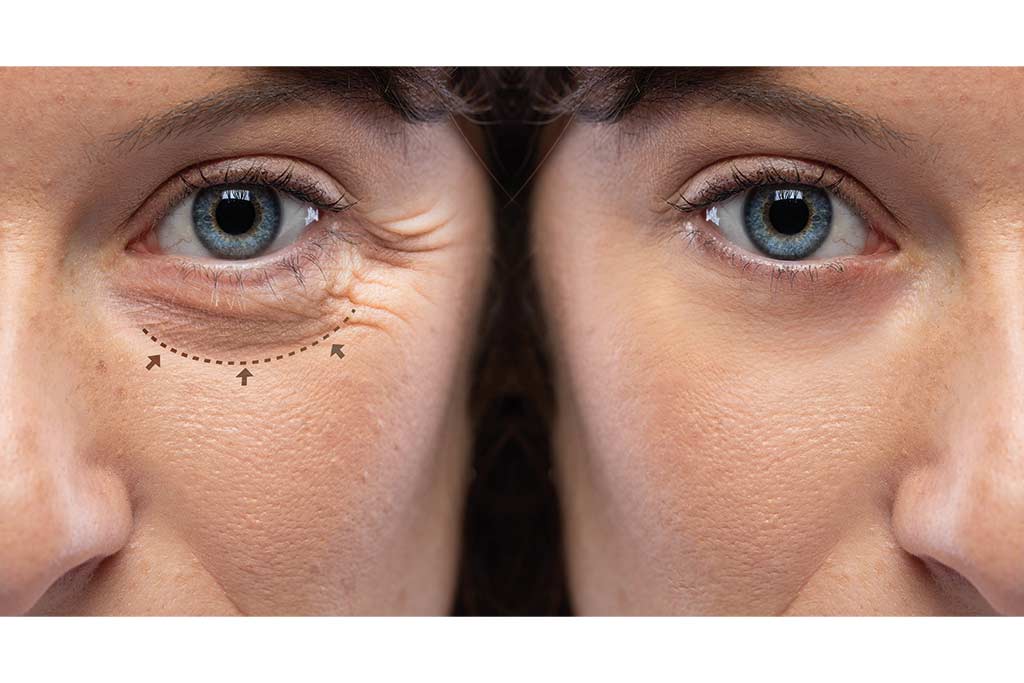
Temporary changes in sensation, such as numbness, tingling, tightness, or heaviness, are normal. Sensation typically returns within the first month, although in some patients it may take up to six months for complete recovery.