


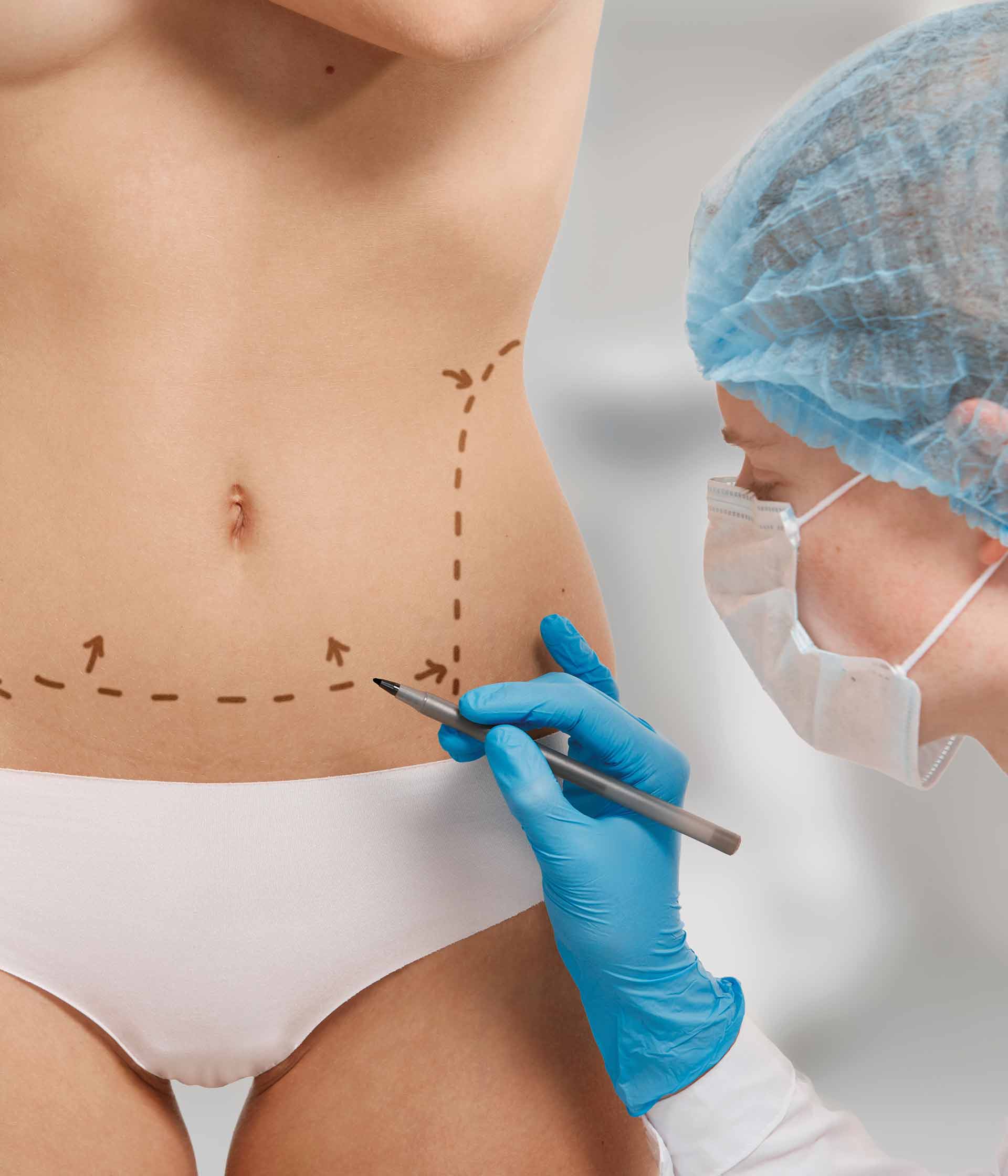
Abdominoplasty is a surgical procedure designed for both men and women to remove excess loose skin and fat from areas such as the abdomen, thighs, arms, or back. In the specific case of the abdomen, the procedure involves removing the surplus skin and tightening the muscles to improve body contour. This results in a transverse scar in the lower abdomen, which is typically hidden beneath underwear or swimwear. Additionally, certain scars and stretch marks below the navel may be removed along with the excess skin and fat.
Surgery is not recommended for women who are planning future pregnancies, as this may compromise the aesthetic results, although it does not affect the health or development of the baby. Patients who have undergone significant weight loss and have large areas of loose skin with reduced elasticity may also benefit from lipectomies in the arms, thighs, or back—provided there is no malnutrition that could complicate the procedure.
The Procedure.
The average surgery time ranges from 2 to 4 hours and is performed under general anesthesia. During the procedure, an incision is made in the lower abdominal fold, the excess skin and fat are lifted and removed, and the abdominal muscles are tightened using internal sutures to enhance contour. Drainage tubes are placed to prevent fluid accumulation, and a hospital stay of 1 to 2 days is usually required.
Before Surgery.
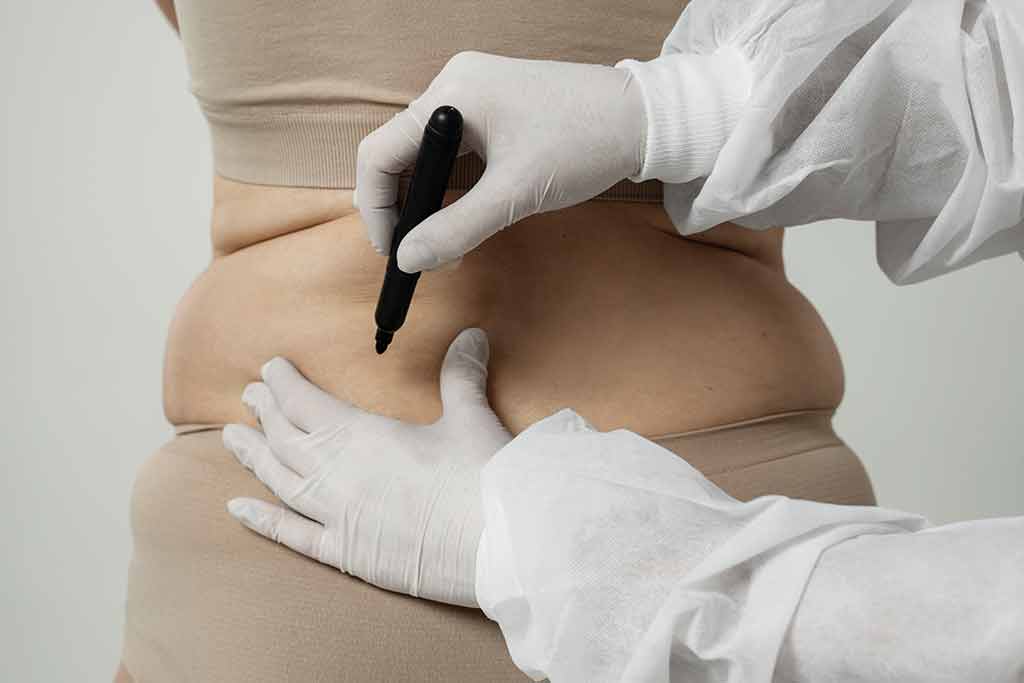
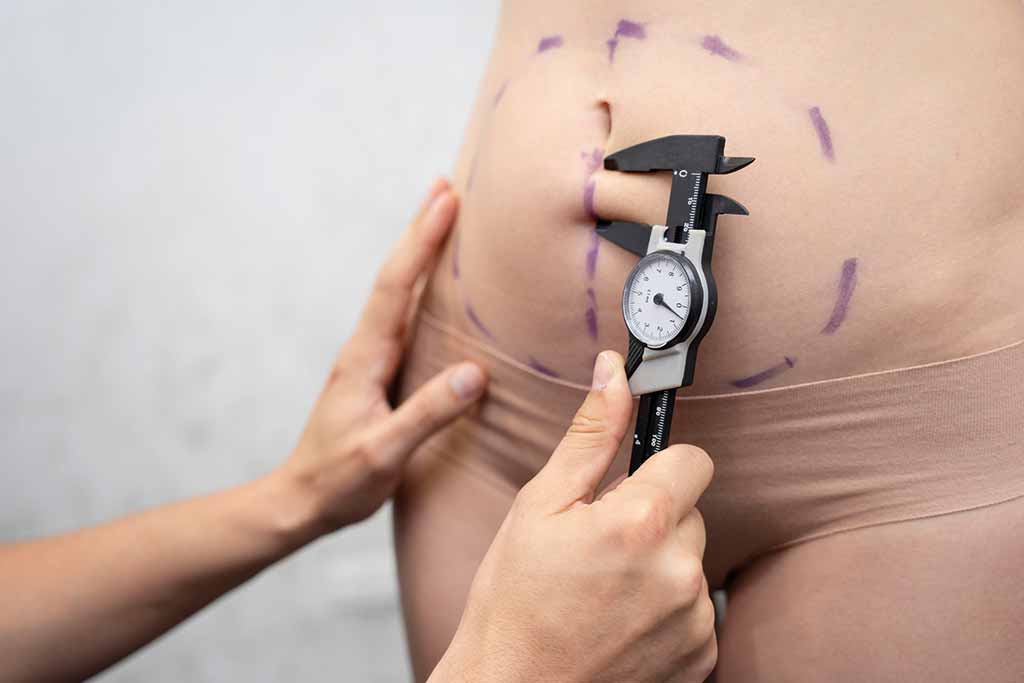
It is essential to inform your plastic surgeon about any medications you are currently taking, as well as any relevant medical conditions. Your surgeon will provide specific preoperative instructions, including dietary guidelines, avoiding alcohol and recreational drugs, and discontinuing smoking at least two weeks prior to surgery. Sun exposure should also be avoided before and after the procedure to reduce inflammation and minimize scar pigmentation.
After Surgery.
Prolonged bed rest should be avoided. Patients are encouraged to walk short distances frequently and to perform deep breathing exercises to prevent pulmonary complications. On the first postoperative day, it is advisable to keep the legs bent with support. While abdominal swelling and discomfort are expected, they can be managed with prescribed pain medication. Your surgeon will guide you on the use of a Lycra compression garment and will schedule the removal of sutures and drainage tubes as needed. Daily activities may gradually resume between the first and second week following surgery, with full recovery occurring progressively.
During the first three months, the scar will appear thick and red, but with proper management, its appearance will improve. The final results will become visible after approximately six months. It is common to experience reduced sensitivity or tingling in the lower abdomen, as well as temporary discomfort when sitting—both of which will diminish over time. It is also important to note that mild areas of looseness may develop as fat redistributes during the healing process.